



3D Scanning for Jewelry: Uses, Benefits and the Right Scanner
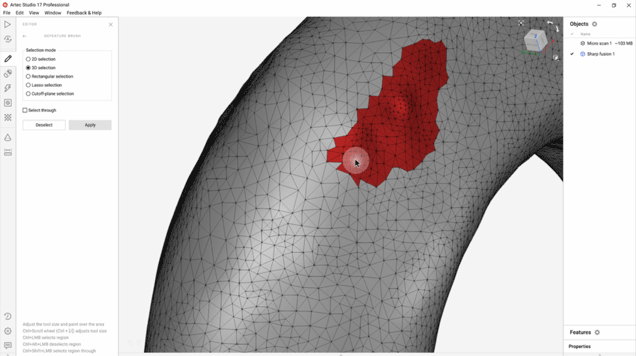
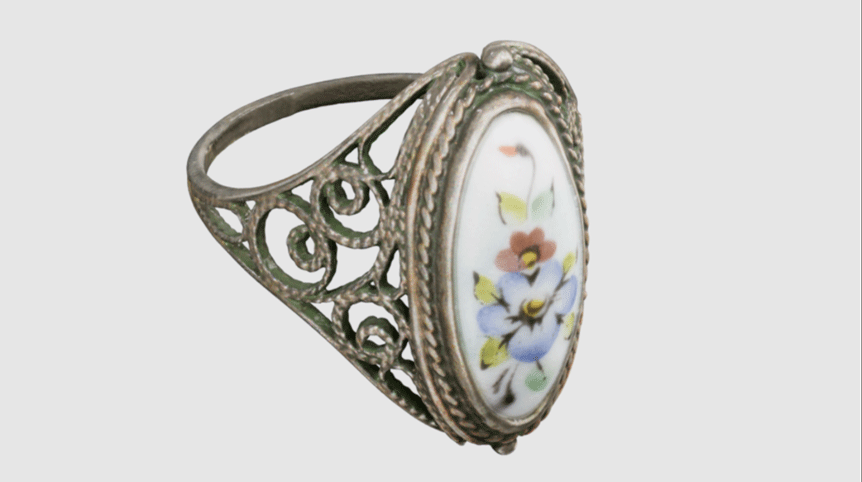
Jewelry is full of tiny details, every piece is close to one of a kind, and even a small deviation is easy to spot. That is why 3D scanning for jewelry is getting more attention. This article summarizes what 3D scanning is used for in jewelry, what it offers and which scanner to choose.
Information on applications and scanners comes from Artec 3D’s official jewelry solutions page.
Quick Guide by Task
| Task | Suggested option |
|---|---|
| Digitize small jewelry pieces with fine detail | Artec Micro II |
| Scan in the workshop or at the customer’s location | Artec Spider II |
| No scanner yet, only a few pieces to scan | 3D scanning service |
What Is 3D Scanning Used for in Jewelry?
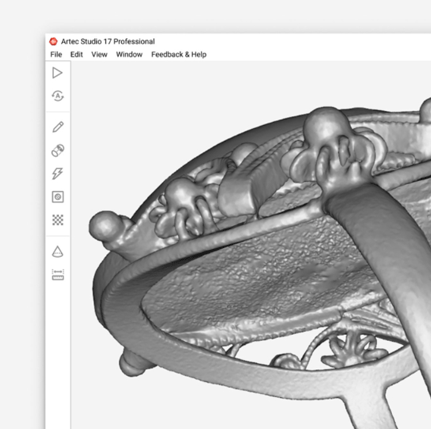
According to Artec, 3D scanning is used in jewelry for five tasks:
- Digitizing catalogs: create 3D copies of jewelry pieces for catalogs and sales.
- Custom design: adjust a design to each customer’s needs and preferences.
- Restoration and repair: accurately recreate missing or damaged details on an old piece.
- Quality control: a detailed 3D model helps spot defects before a product is finished.
- Prototyping: an accurate 3D model reduces the time and cost of making prototypes.
Practical Benefits
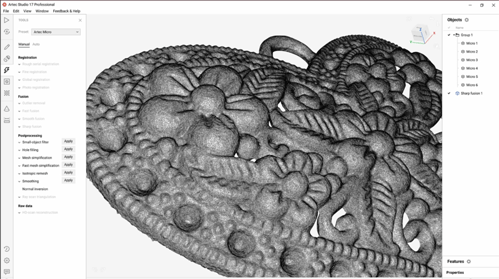
A scanned piece can be edited, duplicated and sent to production without starting over. The data also preserves valuable or rare pieces, or those whose molds no longer exist. For custom orders, the jeweler and the customer can review the model on screen before anything is made.
Which 3D Scanner Suits Jewelry?
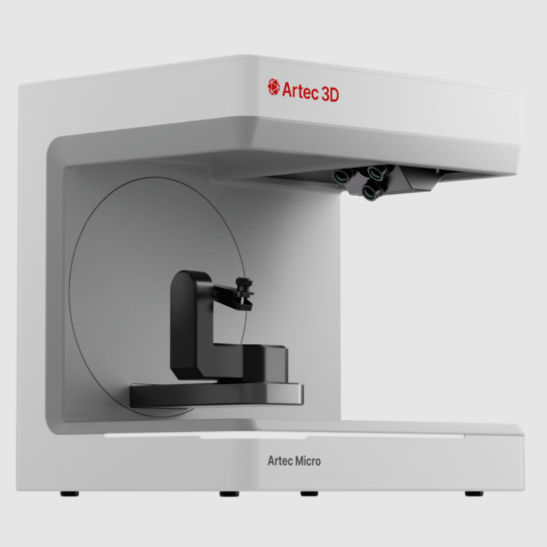
Artec Micro II (desktop) Built for small objects up to 20 × 20 × 15 cm, and scanning is almost automatic with a single click. According to Artec, accuracy reaches up to 5 microns and it can scan in full color. A good fit when you need high detail on small pieces.
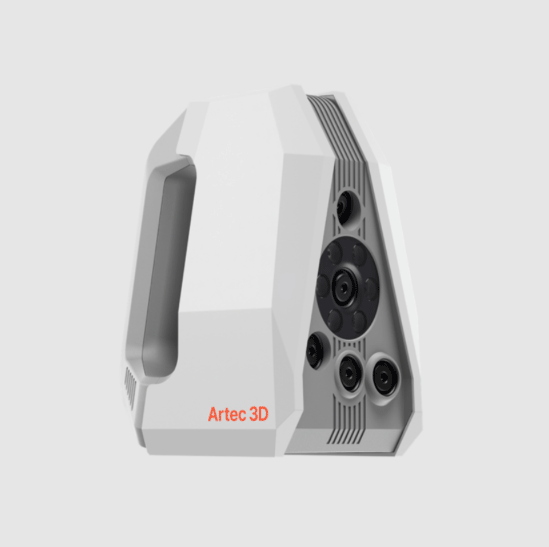
Artec Spider II (handheld) Built for small to medium objects, with accuracy up to 0.05 mm. According to Artec, it captures both black and shiny surfaces. A good fit when you need to scan in the workshop or at the customer’s location.
After scanning, the data is processed in Artec Studio and, according to Artec, can be used with jewelry design software such as MatrixGold, 3Design and Geomagic Freeform.
Frequently Asked Questions
Can a 3D scanner capture shiny jewelry? Shiny metal is a challenge for many scanners. According to Artec, the Spider II captures both black and shiny surfaces, but you should scan a real sample before deciding.
Can I make the piece right after scanning? The scan is only the first step. The data must then be processed and the design adjusted in specialized software before casting or 3D printing.
Can a beginner use it? Scanning itself is fairly quick to learn, but data processing and design take additional skills. If you do not have someone to do it, hiring a service is the safer choice.
Need 3D Scanning? Scantech Has a Solution for You
Whether you need a one-off scan, want to rent a 3D scanner for a project or want to invest in your own, Scantech Vietnam can help.
1. 3D scanning and reverse engineering services No scanner yet, or only a few pieces to scan? Send your samples to Scantech engineers: we scan, process the data and rebuild the CAD drawing when needed.
👉 0862 170 366 | ktscantech@gmail.com
2. 3D scanner rental Short-term project, or want to try before you decide to buy? Rent a 3D scanner to get the work done without a large upfront investment.
👉 0862 170 366 | 0904 985 139 | ktscantech@gmail.com
3. Buy an authentic 3D scanner Scantech is an authorized reseller of Artec 3D and ZEISS. Tell us what kind of jewelry you need to scan and your budget, and we will recommend the right model for jewelry work.
👉 0904 985 139 | kdscantech@gmail.com
📍 Showroom: Xom 2 Phuc Duc, Quoc Oai, Hanoi
.svg)
.svg)
.svg)
OTHER NEWS